
The Last Mile Transformation That Later Enabled Dark Stores in the Grofers to Blinkit Journey
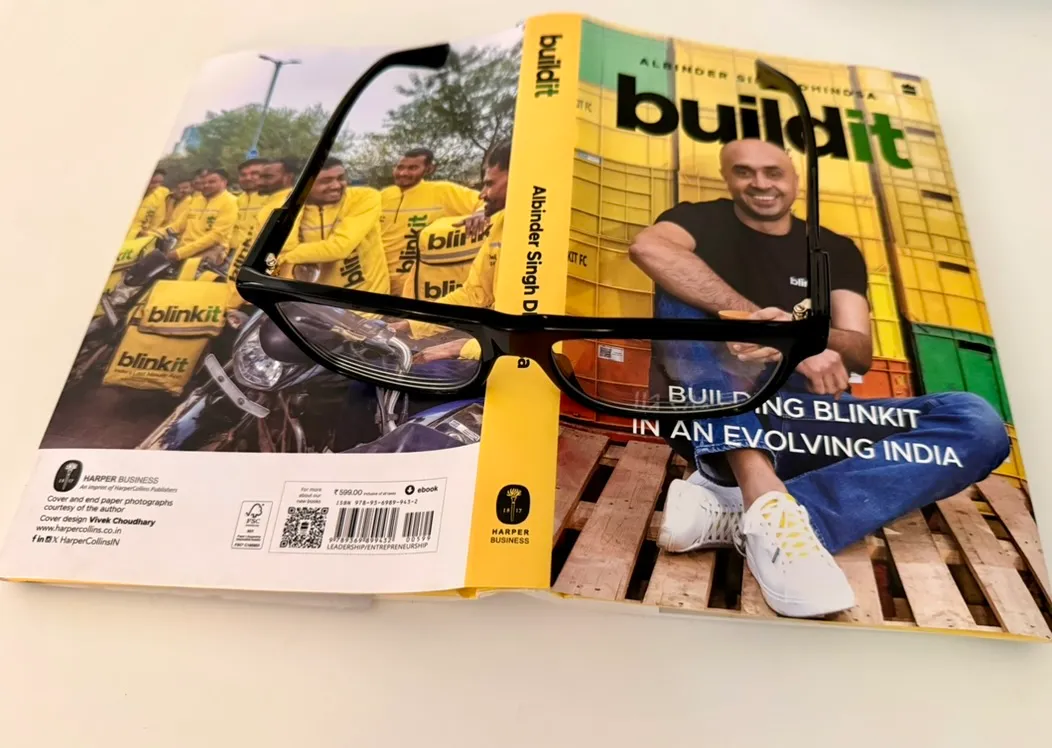
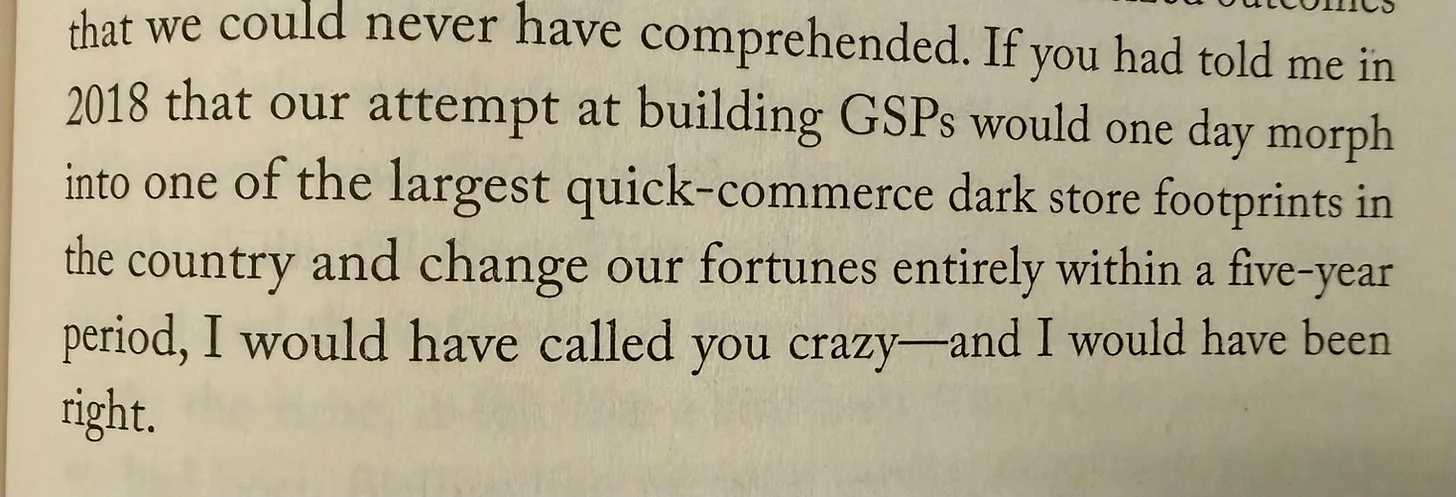
Great to see my first Grofers supply chain initiative, Grofers Service Partners, find a chapter in buildit, a book by Albinder Singh Dhindsa. It was built with deep expertise, trade-offs, execution, and vitality.
In late 2017, I had just handed over operations of my previous startup, Paketts, to the acquiring company. Paketts had spent years building asset-light, partner-led last-mile networks for large e-commerce players. After that journey, I was clear I wanted to return to a captive operations setup where business, supply chain, product, and customer experience sat in one tight loop. Grofers (now Blinkit) was my choice!
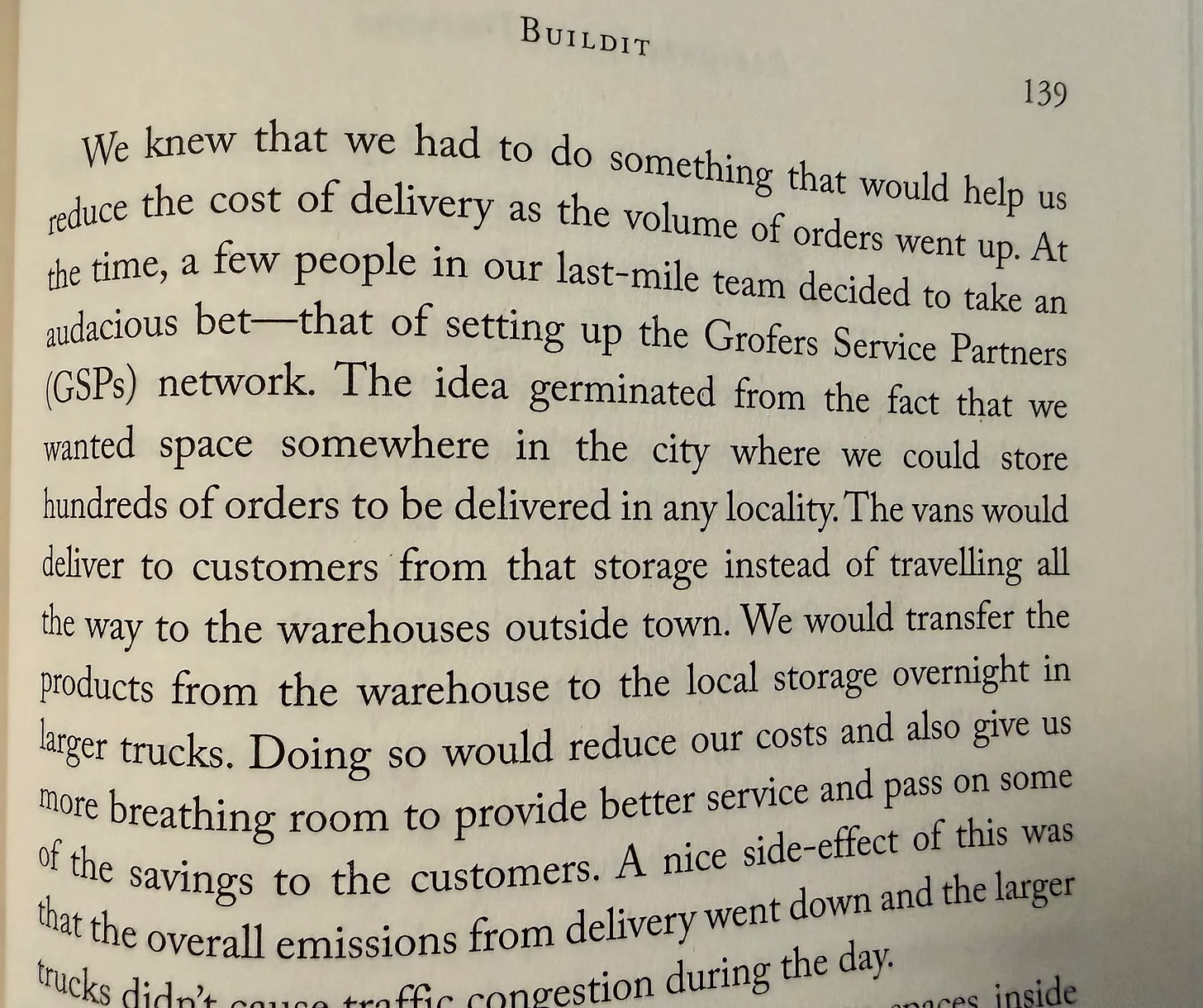
The context was clear. Grofers was operating a van-led delivery network. The model worked, but it came with high fixed costs, long delivery distances, and limited flexibility. The mandate was simple to state but hard to execute i.e. reduce last-mile costs while improving service quality, without slowing growth.
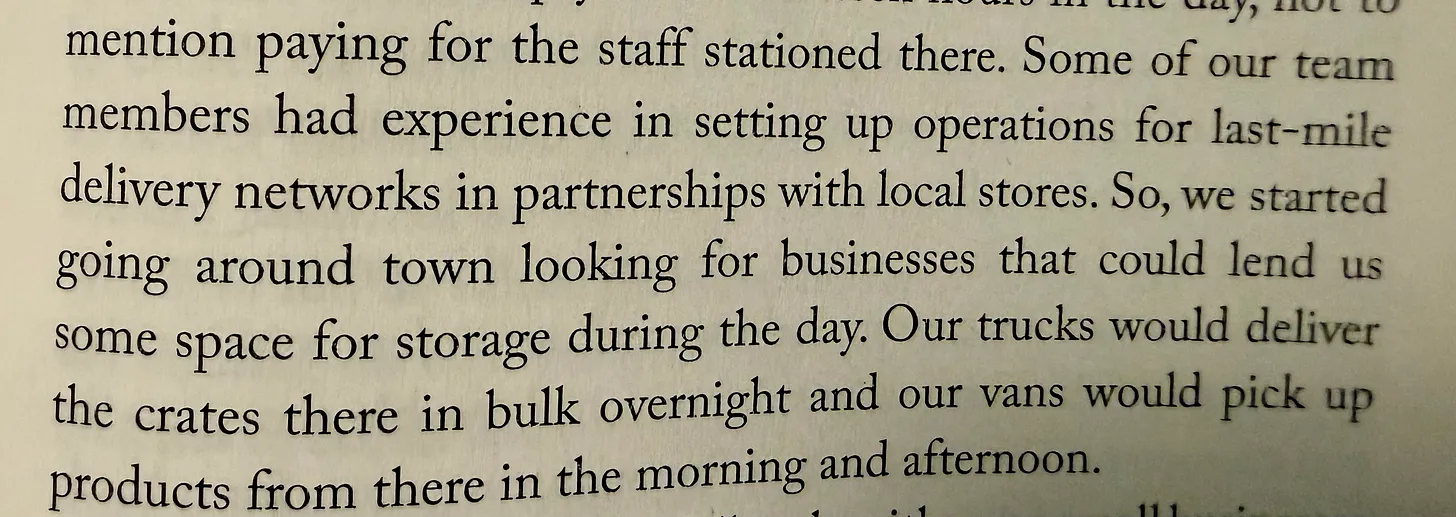
The problem was deeper than replacing vans with bikes. The entire last-mile system had to be rethought. Delivery points had to move closer to customers. Packaging had to work for two-wheelers instead of vans. Partner rate cards had to be redesigned while staying simple enough for fast scale-up. Delivery bags, workflows, and even the app interface had to evolve for a distributed partner network. At the same time, the system still had to handle the inherent complexity of grocery and fresh categories.
What made it difficult was the interdependence. None of these changes could work in isolation. Everything had to come together and work from day one. We also needed to move fast enough to build organisational support through momentum. From my previous experience, one belief had become clear i.e. last-mile delivery works better when you treat it as an entrepreneurship problem, not just a workforce problem. There was latent energy among individuals who did not just want delivery jobs, but wanted to run small logistics setups, scale their earnings, and manage a few riders of their own.
Once I joined Grofers, we aligned on building a partner-led, asset-light network around that belief. Internally, there was a lot of energy even before launch. Multiple names floated around before we settled on Grofers Service Partners, GSP.
What helped was the pace. We were not running long pilots. We were building and scaling in parallel, tightening the system as we expanded.
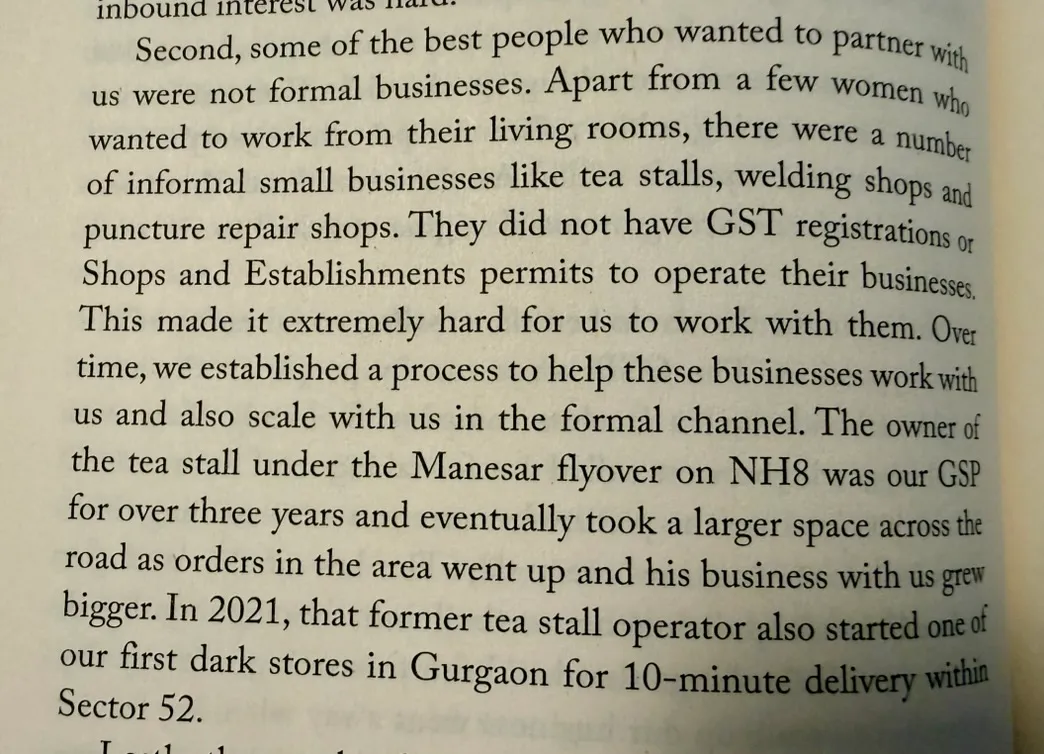
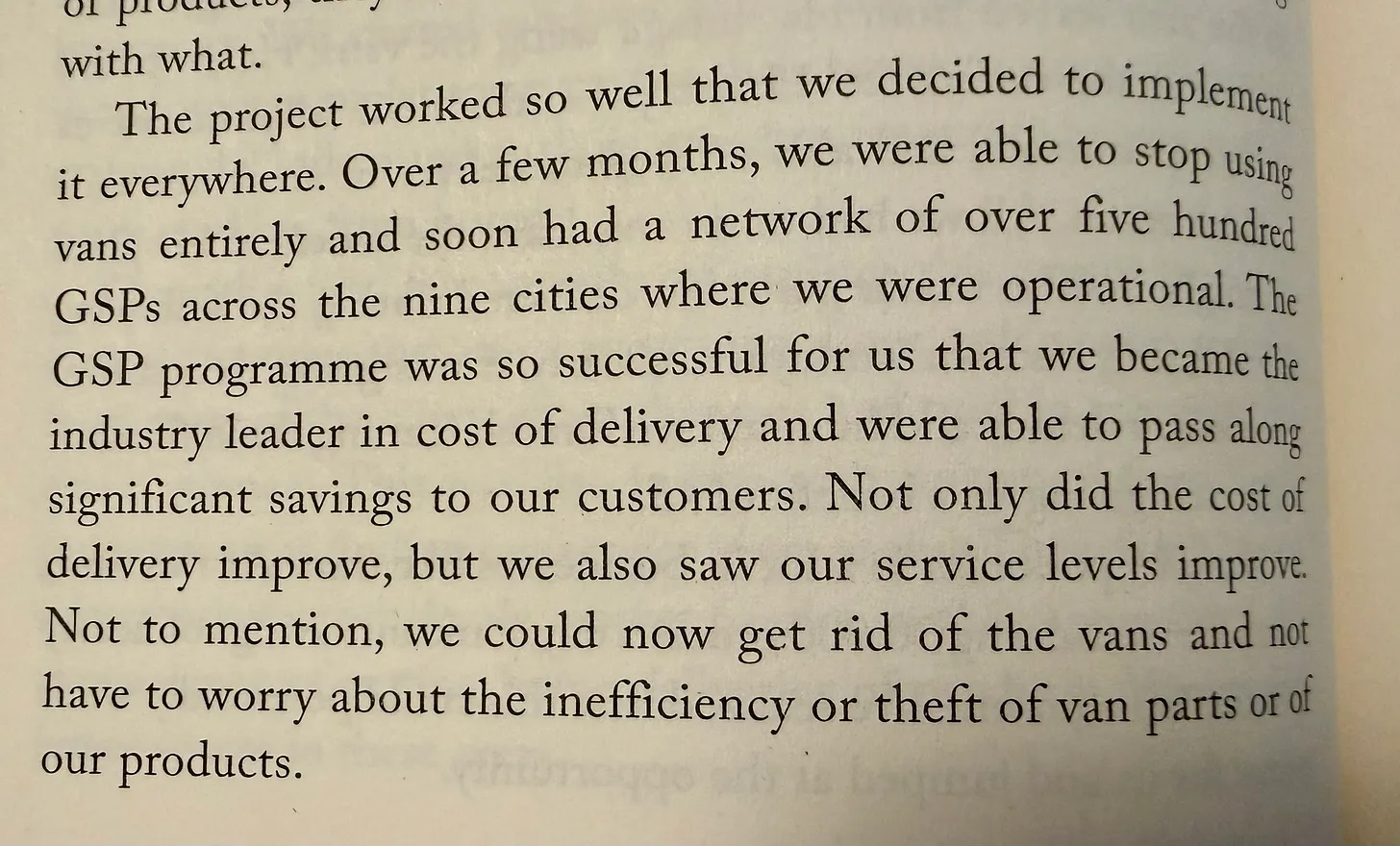
The results came quickly. Within six months, the GSP model was handling 60 to 70 percent of orders in large cities. The shift reduced dependency on owned assets, improved service levels through shorter delivery distances, and unlocked a far more flexible way to scale capacity. More importantly, it reframed the last mile from something tightly controlled to something that could be enabled and extended through partners.
Later, when I was running warehouse operations from 2019 onwards, another layer of the system started evolving. The context then was warehouse picking efficiency. Because of the nature of customer-order picking inside warehouses, we built an internal replenishment system along with a dark-store-within-the-warehouse construct. At the time, it was simply a practical operational solution.
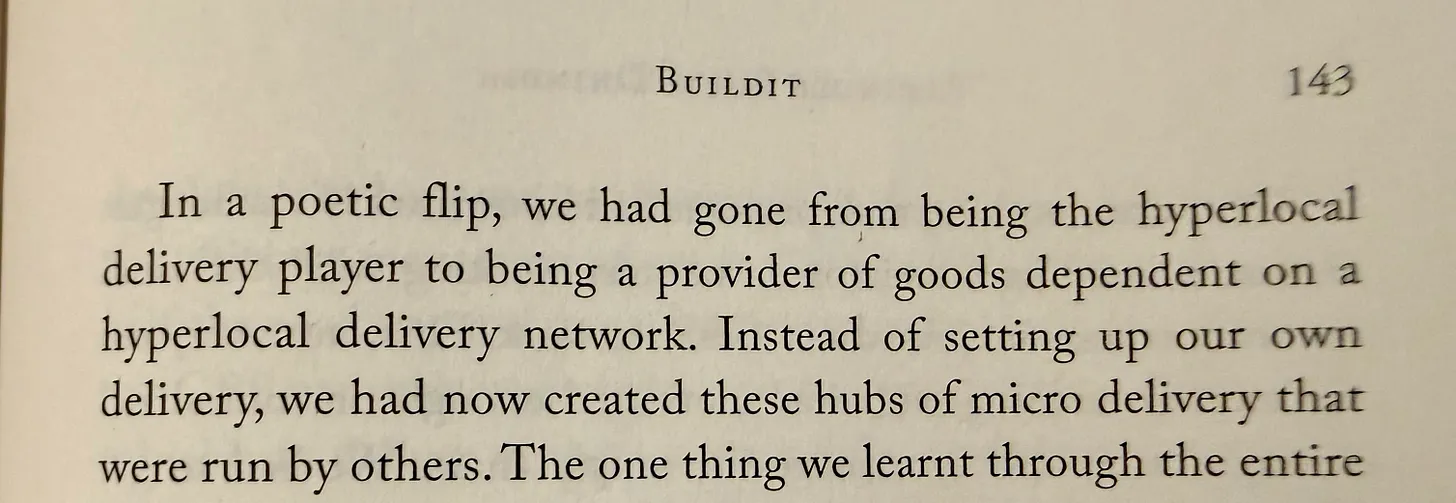
When the problem emerged during COVID, warehouse systems were stress-tested in ways no one had anticipated, especially with manpower leaving for hometowns in large numbers. Scaling operations rapidly became the central challenge. What made the transition to dark stores possible was that the underlying tech and operating logic for dark stores already existed, just embedded inside the warehouse system. As discussions around dark stores accelerated, we moved this internal construct outward and placed it closer to customers. The GSP network was already in place to support it.
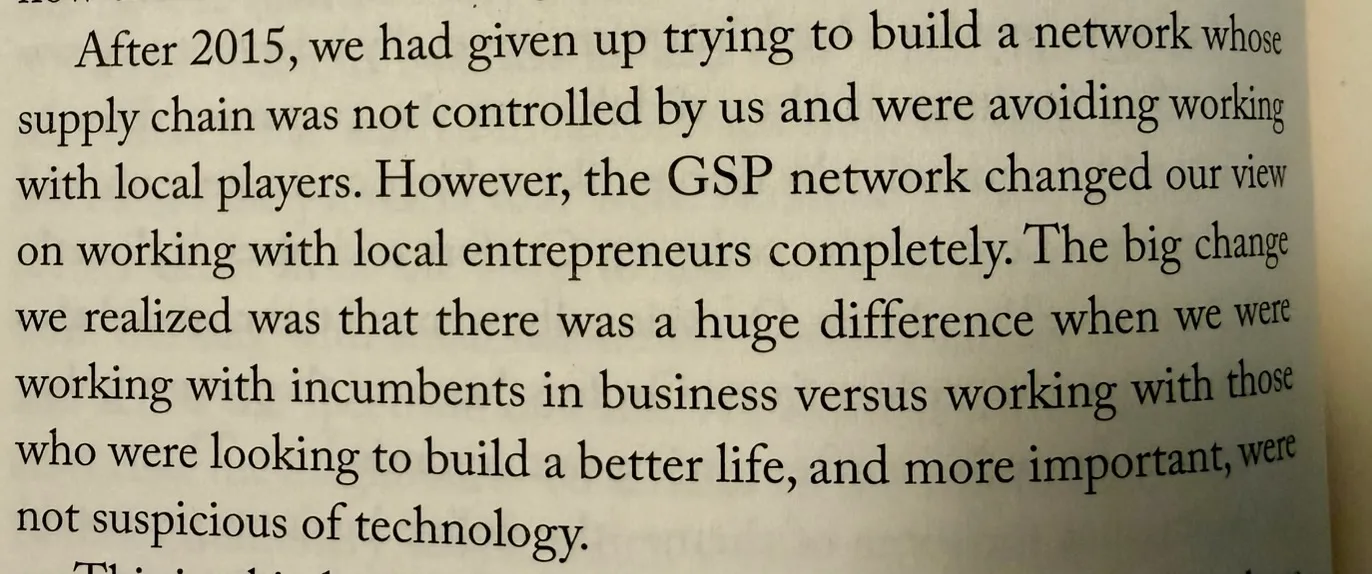
The result was the early phasing of Gurgaon into a fully dark-store-led delivery model. From there, it scaled across cities, eventually enabling the 10-minute delivery paradigm and reshaping how India shops.
Looking back, the journey from the last mile to dark stores was not a planned transformation. It was a continuous iteration to solve the next constraint, cost, distance, capacity, and speed, while building toward a more scalable model. The dots connect in retrospect.
Glad to have played a small role in what became the Blinkit story.